
Shopify Hydrogen & Oxygen: The Headless Duo for Powerful Stores
Why Hydrogen is the most powerful frontend framework for Shopify – and how Oxygen lets you achieve lightning-fast load times, complete design freedom, and maximum SEO performance.

Read

Discover relevant topics about Shopify and Amazon, the two largest e-commerce platforms in the world.
Why Hydrogen is the most powerful frontend framework for Shopify – and how Oxygen lets you achieve lightning-fast load times, complete design freedom, and maximum SEO performance.

Shopify Markets, as a global e-commerce solution, enables you to sell in multiple countries and expand internationally—all from a single Shopify store.
.jpeg&w=3840&q=75)
With Shopify Translate & Adapt, merchants can tailor their storefronts to specific countries and engage customers in different languages. Whether shop or website, the Shopify Translate & Adapt app enables merchants to offer their products in multiple languages and unlock new international markets.

Your current shop costs you time, nerves, and, in the worst case, sales—even though the traffic figures are good. But traffic alone is not enough: the decisive factor is whether your digital infrastructure is strong enough to turn visitors into customers and secure your competitive advantage in the future.
Amazon PPC is a powerful method to increase product visibility, boost conversion rates, and ultimately generate more sales. This beginner's guide highlights strategies and best practices in the field of Amazon PPC.


Shopify Payments is the easiest way to process online payments. The setup is fully automated, no external payment providers are needed, and all major payment methods are accepted.
Amazon has not only established itself as the number one sales platform, but is also the ultimate search engine for online shopping. However, when it comes to selling successfully on the marketplace, a good ranking in the search results lists is essential to increase product visibility, boost purchase rates, and generate more sales.

In 2021, 54% of total e-commerce sales in Germany were generated via Amazon. Given this potential, more and more brands and retailers are aiming to join the platform in 2023. Even established sellers are convinced and, in some cases, overwhelmed by the seemingly endless possibilities and challenges that Amazon brings. However, all sellers agree on one thing: to achieve long-term success on the marketplace, a holistic, strategic concept is crucial and a high-quality product is essential.

There are two different models for companies to choose from when working with Amazon: Vendor Central and Seller Central. However, retailers and manufacturers often opt for the hybrid model, which combines both options. Since both models have their advantages and disadvantages, it is important for companies to find out which one is right for them.
Sellers often wonder which sales model on Amazon is best suited to their business. With Seller Central and Vendor Central, Amazon offers sellers two ways to sell goods using the world's largest product search engine.
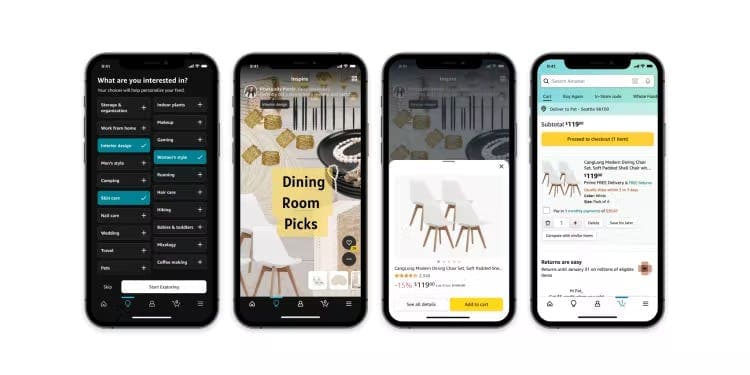
Amazon is launching a TikTok-inspired social commerce shopping feed in the US in December 2022. With this move, the e-commerce giant is revolutionizing its digital shopping experience and turning the tables on the well-known social media platforms.

Amazon is the world's largest online retailer. In Germany alone, there are over 55,000 active retailers (as of 2016). These offer more than 229 million products in over 35 main categories on the German market. Amazon is therefore an attractive target for counterfeiters.
The topic of selling on Amazon and the associated international expansion opportunities is becoming increasingly interesting for many sellers. But how important is Amazon today, and what global marketplaces are currently available?